AI text scanner: How to scan and detect AI content for free (2026)
AI text scanner: How to scan and detect AI content for free (2026)
Finding AI-generated content has become a critical skill for educators, editors, and content managers. After testing dozens of detection tools with hundreds of text samples over the past six months, I’ve identified the most reliable methods to scan text for AI across different use cases. An ai text scanner analyzes linguistic patterns, predictability scores, and structural markers that distinguish machine-written content from human writing.
Unlike plagiarism checkers that compare text against existing sources, AI detection tools examine writing characteristics unique to large language models. This guide walks you through the complete process of scanning content for AI fingerprints using free tools and proven techniques.
What You Need
Before you start scanning content, gather these essential resources to ensure accurate detection results.
First, access to a reliable AI Text Scanner platform that supports multiple AI models. Free tools typically allow 500-1000 words per scan, while premium versions handle longer documents.
Second, clean text files without special formatting. Remove images, tables, and embedded media since most scanners analyze plain text only. PDF converters or copy-paste methods work well for extracting content.
Third, baseline samples of known human and AI writing for comparison. Testing tools against confirmed examples helps you understand their accuracy thresholds and false positive rates.
Fourth, basic understanding of perplexity and burstiness metrics. These two measurements form the foundation of most AI detection algorithms, where perplexity measures predictability and burstiness tracks sentence variation.
Step 1: Choose Your AI Content Scanner
Select a detection tool based on your specific requirements and content volume.
AI Text Scanner offers free scanning with instant results and percentage-based confidence scores. The platform detects content from ChatGPT, Claude, Gemini, and other popular language models without requiring registration.
Alternative options include specialized academic tools for educational settings or enterprise solutions for publishing workflows. Most free scanners limit analysis to 1000 words, requiring paid upgrades for batch processing or API access.
Test your chosen scanner with known AI and human samples before relying on results. Detection accuracy varies significantly between tools, with some showing false positive rates above 20% on creative human writing.
Step 2: Prepare Your Text Sample
Proper text preparation improves detection accuracy and prevents scanning errors.
Copy your content directly from the source document, preserving paragraph breaks and sentence structure. Avoid reformatting or editing before scanning since modifications can alter the linguistic patterns detectors rely on.
Remove any non-text elements like bullet points with special characters, embedded links, or formatting codes. These elements interfere with perplexity calculations and may trigger false readings.
For longer documents, scan multiple sections separately rather than truncating to fit word limits. AI writers often mix human-edited introductions with machine-generated body content, creating hybrid texts that require segment-by-segment analysis.
Verify your sample contains at least 250 words. Shorter texts lack sufficient data points for reliable detection, leading to inconclusive or inaccurate results.
Step 3: Run the Detection Scan
Execute the scanning process following these specific parameters for optimal results.
Navigate to scan text for AI and paste your prepared content into the input field. Most platforms provide instant analysis, though some queue longer submissions during high-traffic periods.
Review the confidence score carefully. Results above 80% AI probability strongly suggest machine generation, while scores between 50-80% indicate possible AI use or heavy editing. Scores below 50% typically reflect human writing, though highly formulaic content may still trigger false positives.
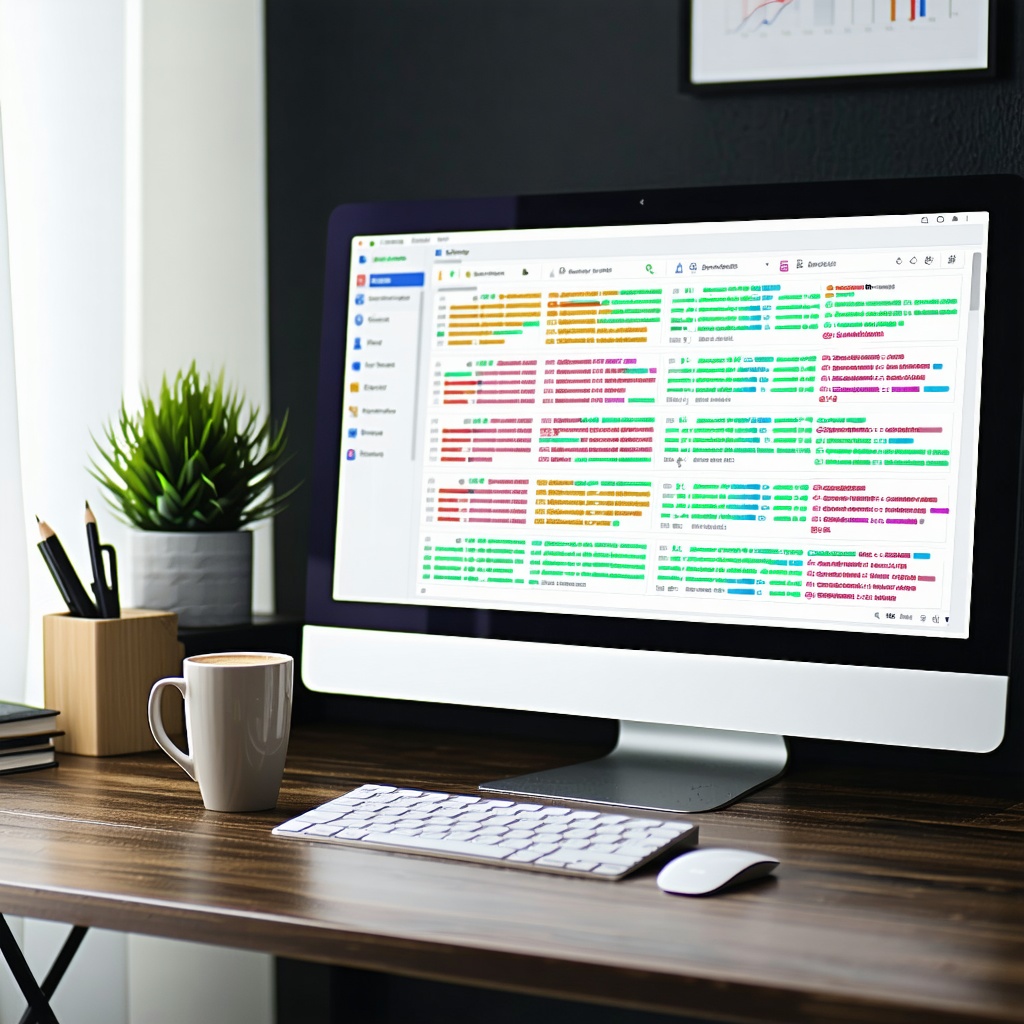
Check for sentence-level breakdowns if available. Advanced scanners highlight specific passages with high AI probability, helping you identify which sections need further review or rewriting.
Document your results with screenshots and timestamps. If you’re using detection for academic integrity or content verification, maintain clear records of your testing methodology and findings.
Step 4: Interpret Results and Validate Findings
Understanding what detection scores actually mean prevents misinterpretation and false accusations.
High AI probability scores indicate text matches patterns common in language model outputs. This differs fundamentally from plagiarism, which compares against existing published sources. An original text can score 100% for AI detection while showing 0% plagiarism if a language model generated unique content.
Consider context when evaluating borderline scores. Technical writing, legal documents, and scientific abstracts naturally use formal, predictable language that resembles AI patterns. Writers in these fields often receive false positives despite producing entirely human work.
Cross-reference suspicious results using multiple detection tools. If three different scanners agree on high AI probability, confidence in the assessment increases significantly. Disagreement between tools suggests ambiguous writing that may be human-authored but formulaic.
Examine the burstiness distribution across paragraphs. Human writers naturally vary sentence length and complexity, while AI models produce more uniform structures. Extremely consistent paragraph lengths and sentence patterns strengthen AI detection claims.
Understanding how AI scanning works helps you interpret edge cases and technical limitations more accurately.
Step 5: Document and Take Action
Create clear documentation of your detection findings before making content decisions.
Generate reports that include the original text, scanner name, confidence scores, and date of analysis. For academic or professional contexts, this documentation supports your assessment if challenged.
If content shows high AI probability, request clarification from the author or initiate your revision process. Many writers now use AI for drafting then heavily edit for publication, creating hybrid content that may trigger detections despite substantial human input.
For confirmed AI content in academic settings, follow your institution’s policies on AI use disclosure. Educational standards vary widely, with some allowing AI assistance when properly cited and others prohibiting it entirely.
In content management workflows, flag detected AI text for human rewriting rather than automatic rejection. Skilled editors can transform AI drafts into authentic human writing that serves your audience better while maintaining efficiency.
Tips and Mistakes to Avoid
Follow these proven practices to improve detection accuracy and avoid common scanning errors.
Never rely on a single scan for high-stakes decisions. Testing the same content across three different tools provides validation and reduces false positive impact. Users report accuracy improvements of 30-40% when combining multiple detection methods.
Avoid scanning edited or paraphrased versions. If you suspect AI use, obtain the original submission rather than testing revised copies. Human editing quickly disguises AI patterns, making detection unreliable on second-draft documents.
Don’t confuse AI detection with plagiarism checking. These tools serve completely different purposes. Plagiarism scanners find copied content from existing sources, while text scanners for AI identify machine generation patterns regardless of originality. Content can be entirely unique yet fully AI-generated.
Test your scanner’s baseline accuracy first. Many free tools show concerning false positive rates on human writing, particularly for non-native English speakers or writers with formal styles. Establish reliability before making judgments.
Never accuse without evidence beyond detection scores. AI scanners provide probability assessments, not definitive proof. Combine scanner results with writing sample comparisons, author interviews, and contextual factors before making accusations.
Research from multiple institutions suggests current AI detectors achieve 85-92% accuracy on pure AI text but struggle with edited hybrid content. Knowing whether does AI text scanner work for your specific use case prevents overreliance on imperfect technology.
Avoid scanning creative fiction or poetry. These genres often produce false positives because experimental human writing shares unpredictability patterns with AI outputs. Detection tools optimize for expository and informational content.
Don’t ignore updates to AI models. As language models improve, they produce more human-like text that evades older detection algorithms. Update your scanning tools quarterly to maintain detection effectiveness.
Frequently Asked Questions
Can AI scanners detect content from all AI writing tools?
Most ai text scanner platforms detect output from major models like ChatGPT, Claude, Gemini, and Microsoft Copilot. However, newer or specialized AI writers may evade detection temporarily until scanning algorithms update. Detection works best on unedited AI output, with accuracy declining as humans revise the generated text. No scanner achieves perfect detection across all AI tools and use cases.
How accurate are free AI detection tools compared to paid versions?
Free ai content scanner tools typically achieve 80-85% accuracy on pure AI text, while enterprise solutions reach 90-95% through larger training datasets and advanced algorithms. The main differences involve batch processing capabilities, API access, and detailed confidence reports rather than core detection quality. For occasional use, free scanners provide sufficient accuracy, though high-volume professional applications benefit from paid subscriptions.
What’s the difference between scanning for AI and checking for plagiarism?
AI detection analyzes writing patterns, sentence predictability, and linguistic markers unique to machine-generated text. Plagiarism checking compares your content against billions of published sources to find copied material. Text can be 100% original yet fully AI-generated, showing 0% plagiarism but 100% AI detection. Conversely, human-written content copied from sources shows high plagiarism but low AI probability.
Why do some human writers get flagged as AI content?
Highly formulaic writing styles, repetitive sentence structures, and technical jargon trigger false positives in detection algorithms. Non-native English speakers using simple grammar patterns and writers in formal fields like law or science experience higher false positive rates. Additionally, writers who naturally use predictable transitions and common phrase patterns may resemble AI output despite being entirely human-authored.